
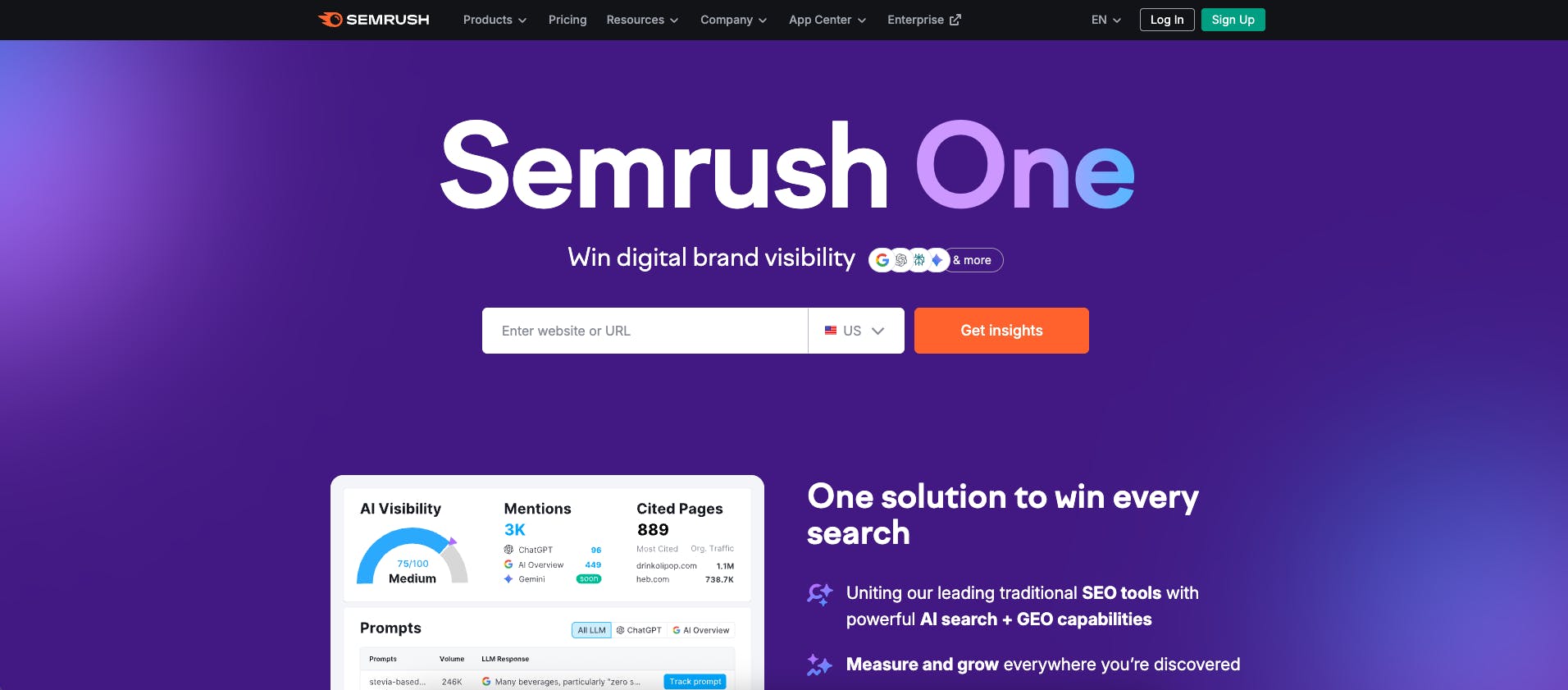
As a digital marketing consultant who’s spent over a decade working with Texas-based businesses, I’ve learned to be cautious about labels like “top-rated.” When clients ask where to begin their search, I sometimes direct them to top-rated digital firms on SEMRush as a starting point. It gives structure to the search process, especially for companies that don’t have the time to sift through endless Google results.
Early in my career, I worked with a regional retail brand that hired a highly rated agency purely based on online reviews. The firm had strong testimonials and a beautiful website. Within a few months, though, the client noticed that reporting felt vague. Traffic numbers were highlighted, but revenue impact wasn’t clearly tied to campaigns. When I was brought in to review the account, I found that conversion tracking hadn’t been configured properly. The agency wasn’t incompetent, but they weren’t deeply focused on measurable business outcomes either.
That situation taught me to look past ratings and examine execution.
When I review highly rated firms in Austin now, I pay attention to how clearly they define results. Do they speak in terms of impressions and clicks, or do they talk about qualified leads, sales cycles, and cost efficiency? In my experience, the best agencies are comfortable discussing revenue impact, even if it means setting more conservative expectations.
A few years ago, I partnered with a boutique Austin agency that consistently appeared among top-rated firms. What stood out wasn’t their branding—it was their discipline. On our first joint project for a B2B services company, they insisted on interviewing the client’s sales team before launching campaigns. That level of diligence impressed me. We uncovered gaps in how leads were being followed up internally, which would have sabotaged performance no matter how strong the ads were. Fixing that internal issue made the marketing spend far more effective.
Another time, I advised a fast-growing home services company that was eager to hire the most prominent firm they could find. They assumed bigger and more visible meant better. Within months, they realized they were one of dozens of mid-tier accounts, and communication felt transactional. We shifted them to a smaller, highly rated Austin agency where senior strategists were directly involved. The improvement wasn’t dramatic overnight growth—it was steadier performance and clearer communication.
One pattern I’ve noticed is that truly strong agencies don’t oversell. They’re selective. They ask hard questions about margins, competition, and internal capacity. I’ve been on calls where an agency politely declined to take on a project because the budget wouldn’t support meaningful results. That kind of restraint builds more confidence for me than any five-star review ever could.
Business owners often make the mistake of assuming a top rating guarantees a perfect fit. It doesn’t. Ratings reflect reputation and past satisfaction, but they don’t automatically account for your business model, your growth stage, or your operational constraints.
Austin’s business environment is particularly varied. Tech startups, established regional brands, creative studios, and service-based companies all operate under different pressures. A firm that excels with venture-backed SaaS companies might not be ideal for a local contractor trying to increase inbound calls. Understanding that distinction matters more than chasing prestige.
After years of reviewing campaigns and collaborating with agencies across Texas, I’ve come to view ratings as an entry point rather than a decision-maker. The firms that consistently deliver strong outcomes tend to combine clear strategy, realistic expectations, and disciplined execution. Those qualities aren’t always visible in a star rating—but they reveal themselves quickly in conversation and in how an agency approaches your specific business challenges.
Choosing a digital partner is less about finding the most decorated name and more about identifying a team that understands your numbers, communicates directly, and has the operational depth to support steady growth.